
Stay informed and up-to-date with the latest financial updates to enhance your decision-making and optimize your investment strategy. In today’s fast-paced and ever-changing economic environment, understanding market trends and economic shifts is crucial for making smarter financial choices. Regularly reviewing the latest market recaps and economic analyses gives you a clearer view of key market developments, industry movements, and broader economic factors that can impact your investments and financial plans.
Waypoint No. 3: Mid-Year Tax Check-In
Mid-Year Tax Check-In: 5 Moves Before June 30 Most people don’t think about taxes until April. But if you wait that long, many of your best opportunities are already gone. The window between now and June 30 is one of the most valuable, and most overlooked, moments in your financial year. Half the year has…

Waypoint No. 2: Who Actually Benefits From More SALT
SALT Deduction After OBBBA: Who Actually Benefits at $40K For the past several years, the $10,000 cap on state and local tax deductions has been one of the most consistent frustrations for clients in high-tax states. New Jersey income tax, Pennsylvania property taxes, Philadelphia wage tax. For many households, actual SALT liability was two or…
Waypoint No. 1: The Seven-Year Tax Window That Closes at 73
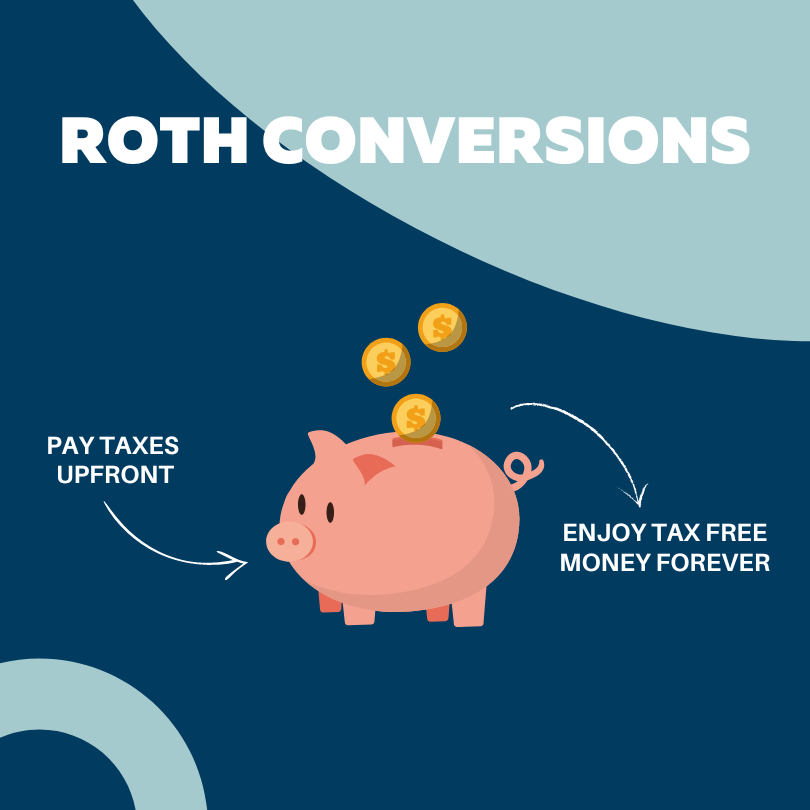
Waypoint No. 1 · May 2026 A Shetland Financial Publication Welcome to the first issue of Waypoint. As we mentioned in recent weeks, we are stepping back from weekly market commentary and toward something more useful: twice-monthly notes on the tax and planning decisions that actually move the needle. Our first issues covers Roth conversions….

Bear & Bull Bulletin – Week of May 1
📊 Weekly Market Recap S&P 500 return Year-to-date were approximately 5.62% S&P 500 3 month return were approximately 4.19% S&P 500 return over the past 5 days were approximately 0.91% This Week in the Markets – 3 Things to Know Following The Trend– The Federal Reserve is holding rates in the 3.50%–3.75% range, but internal…

Reading Financial Statements
Financial statements serve as the bedrock of financial analysis, offering invaluable insights into the fiscal health and performance of businesses. Whether you're an investor evaluating potential investments, a business owner assessing company performance, or simply seeking to enhance your financial literacy, understanding how to read and interpret financial statements is essential. In this guide, we'll...

History of Income Tax
Delving into the annals of American taxation reveals a rich tapestry woven with fiscal policies, political upheavals and societal transformations. Let's understand financial history as we embark on a journey through time to illustrate the captivating saga of income tax in the United States. Prelude: Early Taxation Before income tax existed, the young, newly created...

What’s In the Tax Bill?
I Read the Tax Bill So You Don’t Have To I hope you all enjoyed a long holiday weekend. While you were grilling and watching fireworks, the President signed the tax bill that we’ve been talking about for over a year (I looked it up - I mentioned extending the 2017 tax bill when we...

Trusts
The Basics of Trusts A trust is a legal arrangement where one party (the "grantor") transfers assets to another (the "trustee") to manage for the benefit of chosen individuals or entities (the "beneficiaries"). This arrangement is outlined in a trust agreement, which details the responsibilities and rights of both the trustee and beneficiaries. Types...

Important Birthdays After 50
Most children stop being "and-a-half" somewhere around age 12. Kids add the half to make sure everyone knows they are closer to the next age than the last. These important birthday are good to know in terms of investing. When you are older, "and-a-half" birthdays start making a comeback. Starting at age 50, several birthdays...

Stock Sectors
In the dynamic world of investing, understanding stock sectors is crucial for making informed financial decisions. Stock sectors represent distinct segments of the economy, each comprising companies operating in related industries. What are Stock Sectors? Stock sectors are groupings of companies that operate within the same industry or share similar business characteristics. Common stock sectors...
Business Cycles
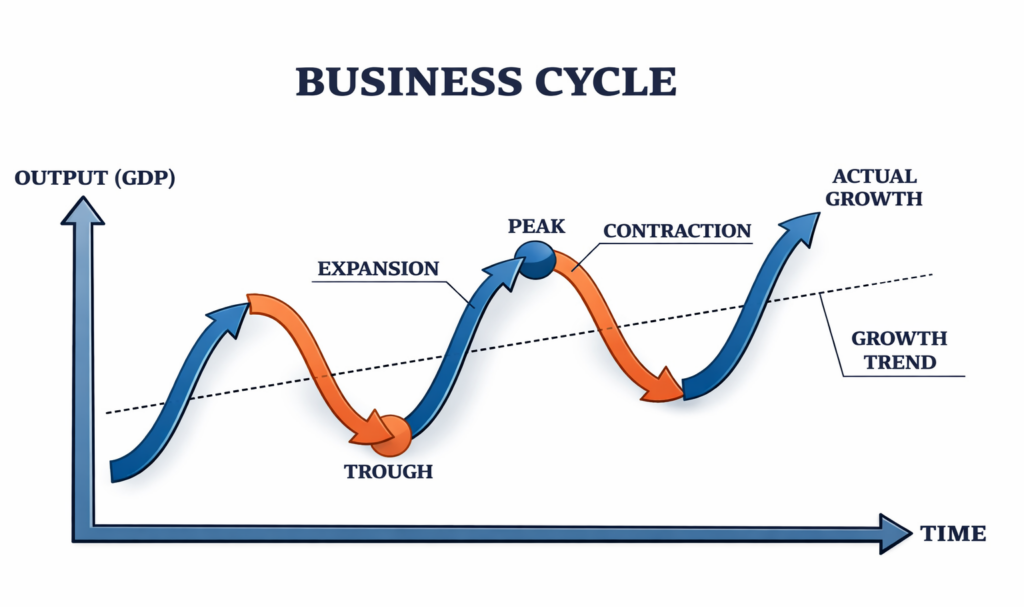
Understanding Business Cycles: In the realm of economics, the concept of business cycles is both intriguing and crucial. It's a phenomenon that has intrigued scholars, policymakers, and business leaders alike for centuries. From booms to busts, from periods of prosperity to recessions, the business cycle shapes the economic landscape in profound ways. Lets deeply entrenched...

Capital Gains and Losses
Capital gains result when an individual sells an investment for an amount greater than their purchase price. Capital gains are categorized as short-term gains (a gain realized on an asset held one year or less) or as long-term gains (a gain realized on an asset held longer than one year). Keep in mind that the...

Incentive Stock Options
Incentive Stock Options (ISOs) Incentive Stock Options (ISOs) are a type of stock option a company grants its employees as compensation. ISOs have specific tax advantages compared to other types of stock options, such as non-qualified stock options (NSOs). Here are key aspects and features of Incentive Stock Options: Granting of Options ISOs are typically…

Rental Property and Their Tax Benefits
Owning a rental property can provide several tax benefits for property owners. It's important to note that tax laws can change, and the benefits you may be eligible for can depend on various factors, including your specific situation and the jurisdiction in which the property is located. Here are some common tax benefits associated with...

Annuities…What Are They?
Annuities are financial products that provide a series of payments made at equal intervals. They are often used as a retirement income tool and can be purchased from insurance companies. Like any financial product, annuities have both advantages and disadvantages. See below for some pros and cons of annuities. Pros of Annuities: Guaranteed Income Stream: ...

Making A Charitable Gift
Why sell shares when you can gift them? If you have appreciated stocks in your portfolio, you might want to consider donating those shares to charity rather than selling them. Donating appreciated securities to a tax-qualified charity may allow you to manage your taxes and benefit the charity. If you have held the stock for...

7 Common Bookkeeping Mistakes (and How to Avoid Them)
As any small business owner will tell you, running a small business is no small feat. Between juggling sales, customer service, marketing, and whatever else, you can feel like a chicken with your head cut off more often than not. The last thing on your mind at the end of a busy day is catching...

How to Align Your Tax Strategy with Annual Planning
Having a well-thought-out tax strategy for your business is an important step to take in order to make the most out of tax time. A proper tax strategy is an optimization tool that analyzes business income. It looks at your overall business structure, spending, potential deductibles, and how these factors can be leveraged in your favor...

Tax Planning for Corporations: Do’s and Don’ts
Proper tax planning for corporations is necessary to ensure the continued financial success of your business. A strong tax plan reduces your corporation’s taxable income and maximizes profits. By taking advantage of available tax credits, deductions, and other incentives, your corporation can reduce its tax burden and preserve more of its hard-earned money. Additionally, proper tax planning...

Creating and Tracking Financial Goals for Business
Setting financial goals for businesses can be a daunting task. However, the benefits of outlining and adhering to financial goals are numerous. Among those benefits, your business will see increased accountability, improved performance, increased transparency, and more effective planning. This article will take a closer look at these four benefits, outline how your business can create...

7 Essential Habits in Wealth Management for Entrepreneurs
What Does Wealth Management for Entrepreneurs Mean? Wealth management for entrepreneurs is the process of managing your finances to maximize wealth and achieve financial goals. From investing strategically to creating tax and succession plans, wealth management for entrepreneurs encompasses every step needed to financially manage a business and ensure its future growth. Overall, long-term financial health...

Business Planning: How to Connect Your Data to Goals
Data tells the story of your business, and goals give your business a benchmark to strive for. To get the most out of both, you should rely on them to work together for successful business planning. By connecting your data to your goals, you can make more informed and strategic decisions to help your business thrive....
Is Your Tax Plan Proactive or Reactive?
While most people understand the importance of tax planning, many don't know the difference between a proactive and reactive approach. Most people are reactive when it comes to their income tax. They wait until the end of the year to gather all their paperwork and data, and then they take it to a tax professional...

How to Approach Wealth Management for Business Owners
Wealth management generally includes comprehensive investment management alongside financial advice, tax guidance, estate planning, and even legal assistance. It is vital for business owners because it helps them maximize the rewards of their efforts and success. Managing and building wealth is important because business owners do not usually have the same luxury of employee pension...

Critical Cash Flow metrics to Strengthen your Business
Good cash flow is essential for a successful business; therefore monitoring and working to improve those cash flow metrics is crucial. The majority of small business owners struggle with cash flow and many fail because of it, but there are several cash flow metrics and KPIs that you can (and should) track to help. Cash flow...

How Profit Growth is Found in Your Accounting
Are you happy with the profit your company is generating and its growth? Or, are you not exactly sure how to even find how much your profit grew year over year? Knowing your profit each year is a start, but if you're serious about growing your business, calculating key indicators such as profit growth is essential....

9 Things to Look For in Your Financial Reporting
You’ve received your financial statements for the year. Now what?

Becoming a Millionaire with $5 per day
Becoming a millionaire doesn’t take a lot of money – just some discipline.

Active vs. Passive Investing
What is the difference between active and passive investing? Learn the pros and cons of each strategy.

Year-Round Accounting to Reach Your Goals
How to build a financial system that helps you reach your goals.

Getting an Employer ID Number (EIN)
How to get an EIN and why you should never, ever pay for it.
Qualified Business Income Deduction
Learn what the QBI deduction is and how it’s calculated.

Home Office Deduction
If you own your business and are working out of your home, you may be entitled to the home office deduction.

Business Expenses
Find out which business expenses are – and are not- deductible on your tax return.

Should a Schedule C Business Elect S-Corp Status?
Find out how having your business treated as an S-Corp could save you in self-employment taxes

Dividend Taxation
If you’ve wondered what the difference between ordinary and qualified dividends are, here’s a quick rundown.
1031 Exchanges
If you own an investment property, you should know what a 1031 exchange is and how it might benefit you.

Self-Employment Taxes
If you’re self-employed or a freelancer, you need to know how Social Security and Medicare taxes are calculated.
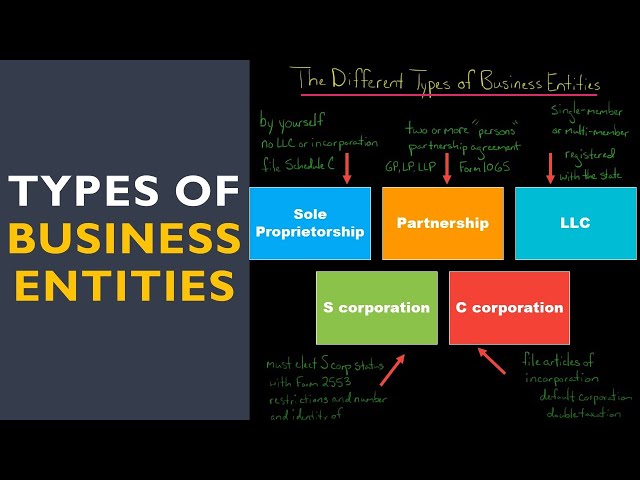
Which legal entity is right for my business?
One of the most common questions I get from people who are thinking about starting their new business is which type of entity they should use.